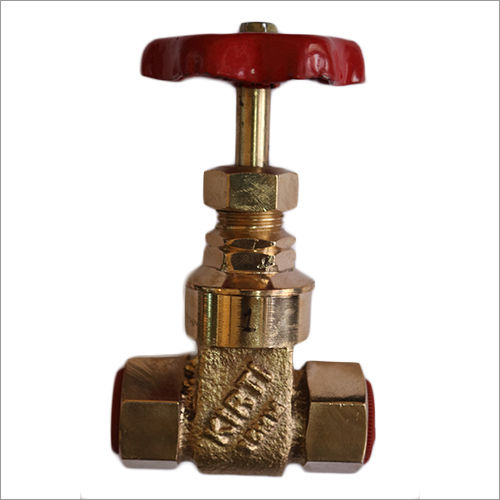
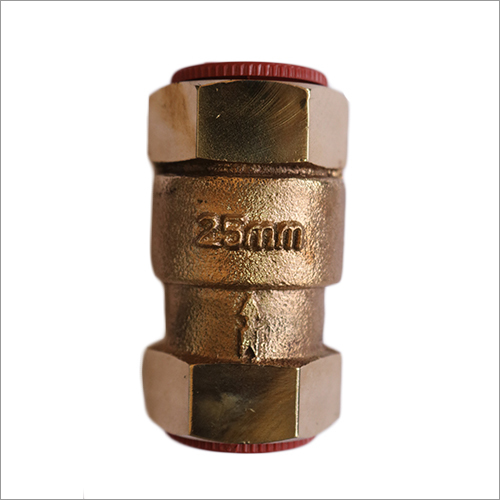
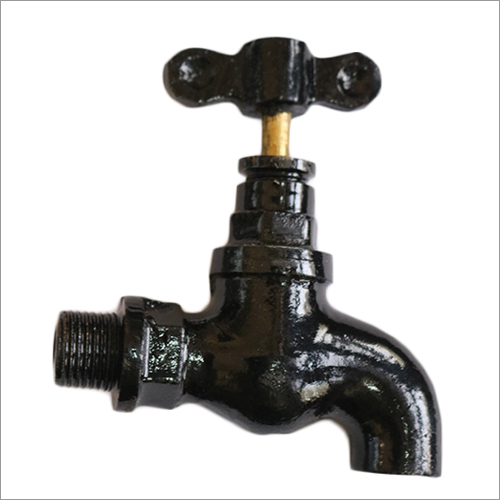
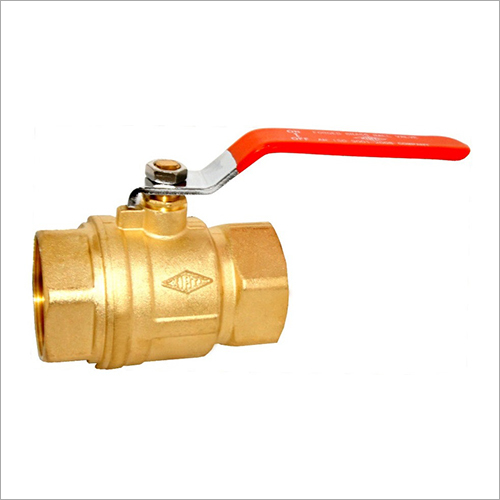
About Gun Metal Valves and Cocks - As per IS 773 standard
With firm commitment to quality, our company is remarkably manufacturing, and supplying a vast array of Gun Metal Valves and Cocks - As per IS 773 standard. Keeping in mind the various requirements of the domain, we offer Gun Metal Valves and Cocks - As per IS 773 standard at pocket friendly prices in diverse specifications, sizes and dimensions. These vales go through a strict quality test, which is done under the supervision of our reputed professionals before final delivery.
Key Features
- Long lasting
- Reliable
- Defect free nature
- High performance
- Sturdy construction
- Low maintenance cost
Frequently Asked Questions:
1. What is the use of gun metal valve?
Ans. Controlling detail. Valves are used to isolate device and piping structures, modify drift, save your backflow, and adjust and relieve pressure.
2. Are gunmetal and brass equal?
Ans. Gun metal, additionally referred to as red brass in the united states, is a form of bronze- an alloy of copper, tin and zinc. Proportions range but 88percent copper, eight- 10percent tin, and a pair of- 4percent zinc is an approximation.
3. What are the cons of gunmetal?
Ans. Cons
- Price.
- Gunmetal end can cost greater than other finishes. Will not be to be had as an end for your chosen tap layout.
- Now not constantly able to get the matching hardware inside the toilet.
- But this could be triumphed over by deciding on accessories with an equal brand of tapware.
Built to IS 773 Standards for ReliabilityEvery valve and cock is manufactured in strict accordance with IS 773, ensuring consistent performance and safety across all applications. The use of Gun Metal IS 318 LTB2 guarantees excellent corrosion resistance, strength, and durability, making these valves a preferred choice for both potable water and industrial fluids.
Versatile Applications and Mounting OptionsDesigned for versatility, these valves are compatible with various media such as water, steam, oil, and air. With mounting options for both vertical and horizontal orientations and a range of sizes from 15 mm to 100 mm, they fit seamlessly into plumbing, industrial, and waterworks systems. End connections can be screwed or flanged as per site requirements.
Engineered for Low Maintenance and Long LifespanThanks to quality material selection and adherence to IS 773 durability standards, these gun metal valves require minimal maintenance. Hydraulic testing at 24 kg/cm2 ensures performance under pressure, while Class I leakage standards provide peace of mind for users seeking a reliable, long-term solution.
FAQ's of Gun Metal Valves and Cocks - As per IS 773 standard:
Q: How are Gun Metal Valves and Cocks tested for reliability?
A: These valves are hydraulically tested at 24 kg/cm2 as per IS 773 standards, ensuring they withstand operational pressures and provide leak-proof performance for various fluids including water, oil, and steam.
Q: What are the recommended applications for these valves?
A: Gun Metal Valves and Cocks are suitable for potable water, steam, compressed air, oil, and other non-corrosive fluids, commonly used in plumbing systems, industrial settings, and waterworks.
Q: When should I choose a rubber-lined versus a metal disc/plug?
A: Rubber-lined discs/plugs are ideal when enhanced sealing or quiet operation is required, while metal types are recommended for higher temperature or pressure applications demanding durability.
Q: Where can these valves be installed?
A: They can be mounted both vertically and horizontally, allowing for flexible installation in pipelines and systems within buildings, industrial plants, and municipal waterworks.
Q: What are the benefits of Gun Metal IS 318 LTB2 construction?
A: Using Gun Metal IS 318 LTB2 provides high tensile and yield strength alongside resistance to corrosion and wear, ensuring a long service life and reduced maintenance requirements.
Q: How is the end connection type selected during installation?
A: End connections are available in screwed BSP/BSPT and flanged options, allowing selection based on compatibility with existing pipelines or industry standards at the installation site.







 Send Inquiry


 Send Inquiry
 Send SMS


