About Cast Iron Pipe Fittings
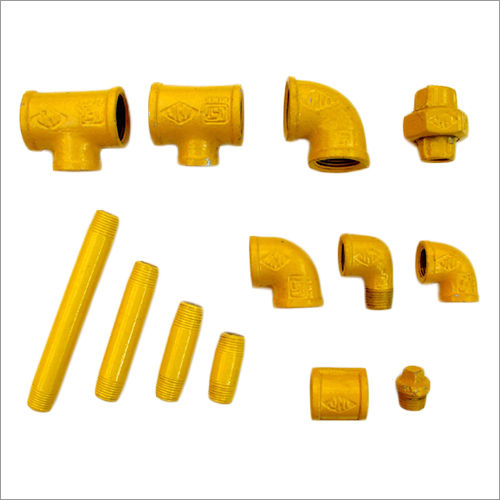
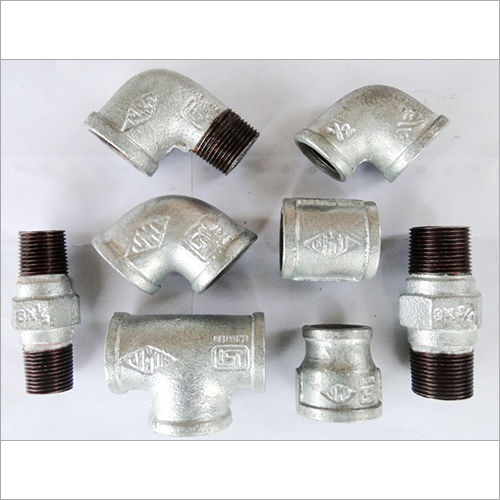
Cast iron pipes fittings are specifically suited for soil pipes. These fittings are mainly used for the construction of drain, waste and vent piping tools. Firstly, these fittings were used uncoated but later with the coatings, the corrosion got reduced with an expansion in hydraulics. Cast iron pipe fittings are applicable for many public utilities as well as private industries. Made from cast iron, these tremendously strong, long-lasting, and resistant to heat. They are cost effective and long-lasting.
Superior Corrosion ProtectionEach cast iron pipe fitting is treated with a reliable anti-corrosive coating, ensuring enhanced resistance to rust and harsh chemicals. This finish, be it bitumen, epoxy, or galvanization, protects against environmental wear, making these fittings highly durable for both indoor and outdoor installations. As a result, maintenance requirements are significantly reduced, and the fittings retain structural integrity for decades.
Leak-Proof and Fire-Resistant PerformanceDesigned to provide safe operation in high-pressure and high-temperature systems, these cast iron fittings are engineered for leak-proof connections when properly installed using gaskets or threaded seals. With excellent fire resistance and robust construction, they perform reliably in critical water, sewage, gas, and oil applications, providing peace of mind to engineers and occupants alike.
Flexible Connection and Easy InstallationA wide range of connection types-including socket, spigot, screwed, and flanged-add versatility to these cast iron fittings. Their compatibility with various pipe materials and standards means they can be conveniently integrated into new or existing systems. Installation is straightforward using standard tools, saving time on-site, and allowing for a broad spectrum of end-use scenarios.
FAQ's of Cast Iron Pipe Fittings:
Q: How do the anti-corrosive coatings enhance the life span of cast iron pipe fittings?
A: The anti-corrosive coatings, such as bitumen, epoxy, or galvanization, create a protective barrier against moisture, chemicals, and harsh environmental conditions. This significantly reduces the risk of rust and deterioration, allowing the fittings to maintain their structural integrity and achieve a service life of up to 50 years under standard conditions.
Q: What makes these cast iron fittings leak-proof and how should they be installed for optimal results?
A: Leak-proof performance is achieved through precision engineering and sealing methods like gaskets or threaded seals. Proper installation using standard tools ensures tight, secure joints, and following correct procedures prevents leaks even under high pressure.
Q: When should I choose cast iron pipe fittings over other materials?
A: Cast iron pipe fittings are ideal for applications requiring high corrosion resistance, fire safety, and durability, such as water supply, sewage, gas, and oil pipelines in industrial and plumbing settings. Their robust nature and long service life make them preferable for systems with demanding operational demands.
Q: Where can these cast iron fittings be used and are they compatible with different pipe types?
A: These fittings can be employed in various environments, including plumbing, drainage, industrial, and utility infrastructure. They are compatible with cast iron (CI), ductile iron (DI), and galvanized iron (GI) pipes, making them versatile for integration into both legacy and contemporary systems.
Q: What processes are involved in the surface treatment of these fittings?
A: Surface treatments include painting, galvanization, or application of anti-corrosive coatings. These processes are performed as per international standards such as IS 1538 and ASTM A47 to ensure the fittings meet rigorous quality and durability benchmarks.
Q: How does the fire resistance of these fittings benefit industrial applications?
A: The excellent fire resistance of cast iron pipe fittings helps enhance safety in environments where flammable fluids or gases are transported, protecting infrastructure and personnel during fire exposure or high-temperature incidents.
Q: What are the benefits of the wide range of end connection and packing types available?
A: The selection of socket, spigot, screwed, or flanged connections allows integration with various installation requirements and existing systems. Packing options like gunny bags or wooden boxes ensure safe handling, transportation, and on-site management, minimizing the risk of damage.







 Send Inquiry


 Send Inquiry
 Send SMS
 Call Me Free


