About Gas Valves And Cocks
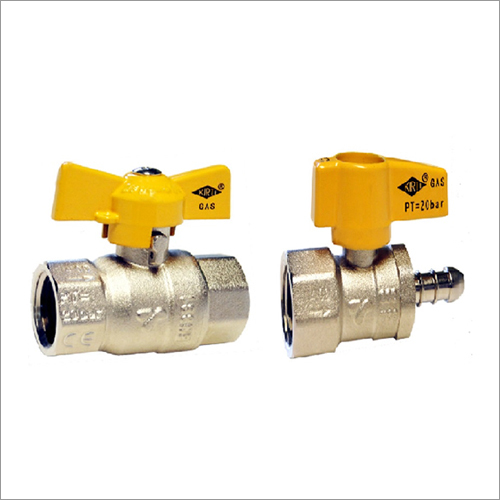
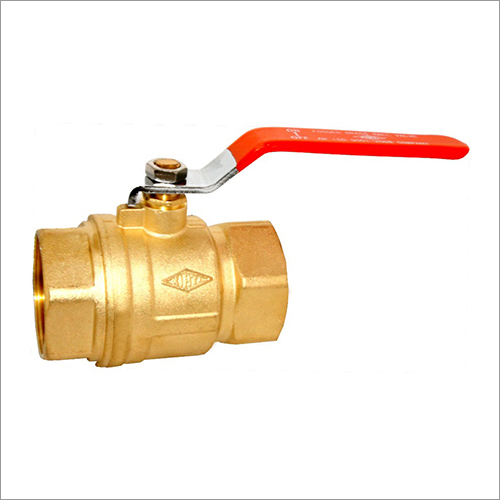
Gas valves and cocks are essential components used in gas supply systems to regulate and control the flow of gases. These valves are designed to open or close to allow or restrict the passage of gas through pipes or lines. Gas valves and cocks are commonly used in residential, commercial, and industrial settings to ensure the safe and efficient operation of gas appliances, heating systems, and pipelines.
FAQ (Frequently Asked Questions):
Q: What is the purpose of gas valves and cocks?
A: Gas valves and cocks serve the crucial function of controlling the flow of gas in a system. They allow for the safe and controlled supply of gas to appliances, burners, or heating systems. By opening or closing the valve or cock, users can start or stop the flow of gas, regulate the pressure, or adjust the gas flow rate as needed.
Q: What types of gases are gas valves and cocks designed for?
A: Gas valves and cocks can be designed for various types of gases, including natural gas, propane, butane, or other fuel gases commonly used in residential, commercial, or industrial applications. The specific valve or cock must be selected based on the type of gas it is intended to handle, as different gases may have different pressure and compatibility requirements.
Q: What are the different types of gas valves and cocks?
A: Gas valves and cocks come in various types and configurations to suit different applications. Common types include ball valves, gate valves, globe valves, and butterfly valves. Each type has its own mechanism and features that determine how the valve opens, closes, and controls the gas flow. The choice of valve type depends on factors such as the intended use, gas type, and system requirements.
Q: Are gas valves and cocks suitable for both residential and industrial use?
A: Yes, gas valves and cocks are used in a wide range of settings, including residential, commercial, and industrial applications. In residential settings, they are commonly found in gas stoves, water heaters, and HVAC systems. In industrial environments, they are used in large-scale gas distribution systems, pipelines, and industrial furnaces. The specific valve or cock selected will depend on the application and the scale of the gas system.
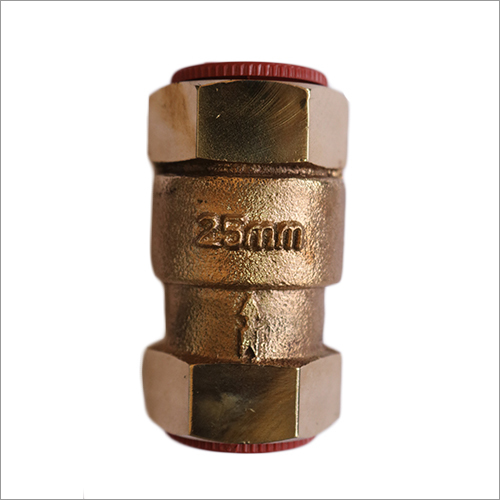
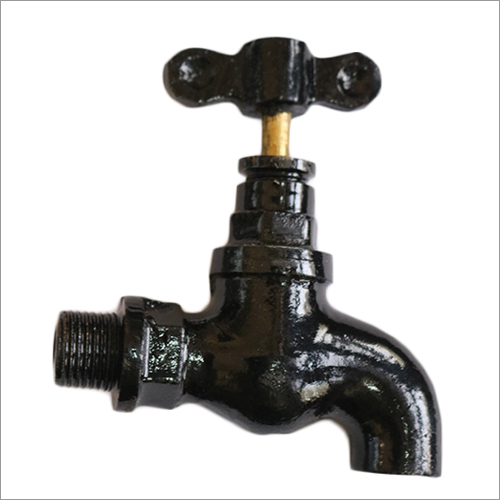
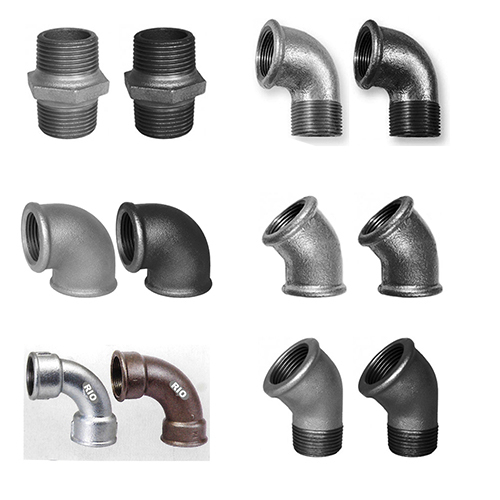
Durable Construction for Reliable PerformanceManufactured from high-grade IS 210 FG 200 iron and treated with galvanization and zinc plating, these gas valves provide exceptional resistance to corrosion and wear. Their rigid design, combined with tight 0.01 mm tolerance, ensures long-term reliability in demanding environments, making them ideal for both industrial installations and domestic applications.
User-Friendly Operation and Versatile InstallationEquipped with an ABS plastic lever handle, these quarter-turn valves allow quick and effortless flow regulation. The clever design accommodates both horizontal and vertical mounting positions, adapting easily to various piping configurations. The threaded BSP/BSPT connections ensure simple and secure integration into existing systems.
FAQs of Gas Valves And Cocks:
Q: How are the gas valves installed in a system?
A: The valves feature threaded BSP/BSPT connections, allowing for straightforward installation into horizontal or vertical gas lines using standard pipe fittings. Ensure proper sealing with the PTFE gasket for maximum safety during setup.
Q: What makes the ABS plastic lever handle advantageous for users?
A: The ABS plastic lever handle provides a comfortable grip and smooth quarter-turn operation, allowing for easy and precise control of gas flow, even in frequent-use scenarios.
Q: When should these valves be used in industrial or domestic gas lines?
A: These valves are well-suited for installation whenever precise regulation of natural gas, LPG, or propane is required in industrial settings or residential systems. Their robust construction and high safety standards make them reliable during maintenance and daily operation.
Q: Where can these valves be mounted?
A: They are designed for flexible installation and can be mounted in either horizontal or vertical orientations, providing versatility for different piping layouts.
Q: What is the leakage class VI certification and its benefit?
A: Leakage class VI indicates very low permissible leakage, ensuring the highest level of sealing integrity. This translates to safer operation and minimized risk of gas escape, protecting both property and occupants.
Q: What is the temperature and pressure range for safe operation?
A: These valves operate safely within a temperature range of -20C to 120C and are rated for pressures up to 16 bar, making them suitable for demanding gas flow environments.
Q: How do the valves contribute to system safety?
A: They use PTFE gaskets for sealing, a rigid design for fixed bend radius, and are galvanized for corrosion resistance. Certified to IS: 8737 and EN 331 standards, they deliver reliable performance and enhanced safety against leaks.







 Send Inquiry


 Send Inquiry
 Send SMS


